

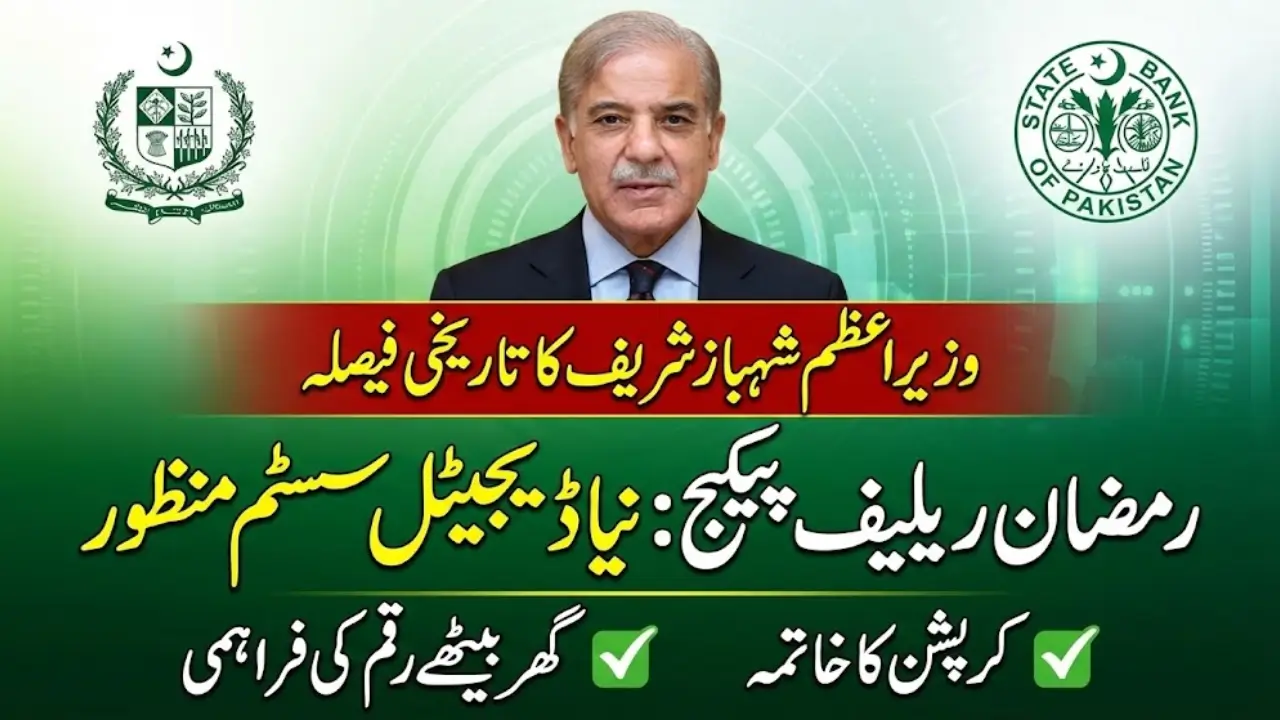
The Ramadan Package 2026 marks a major transformation in how social relief is delivered in Pakistan. Announced by Prime Minister Muhammad Shehbaz Sharif, this initiative aims to support poor and deserving families during the holy month of Ramadan through a fully digital and transparent system. Instead of traditional ration bags or utility store subsidies, financial assistance will now be delivered directly to beneficiaries through digital wallets.
This change is not just technical; it represents a shift in mindset. The government is moving from physical distribution models toward a cashless, dignified, and data-driven approach. The objective is simple yet powerful: ensure that every deserving family receives timely support without hurdles, delays, or exploitation. Ramadan Package 2026 Distribute
By adopting digital wallets, the Ramadan Package 2026 aligns welfare policy with modern financial systems. It reduces dependency on intermediaries and builds trust between citizens and the state, especially at a time when economic pressure is high for low-income households.
Background of Government Ramadan Relief Programs
For decades, Ramadan relief programs in Pakistan relied on utility stores, discounted food items, and manual subsidy mechanisms. While these programs were designed with good intentions, they often faced operational challenges, including overcrowding, supply shortages, and lack of transparency.
You can also read: Shehbaz Sharif Directs Preparation of Effective
Over time, concerns emerged about leakages, favoritism, and misuse of funds. Many deserving families were unable to access relief due to long queues, poor verification systems, or corruption at the local level. These issues highlighted the need for a more efficient and fair model.
Key challenges of past Ramadan relief programs included:
- Manual handling of funds and goods
- Limited reach to remote or marginalized areas
- Weak monitoring and accountability
- Loss of dignity for beneficiaries
These realities laid the groundwork for a digital transition.
PM Shehbaz Sharif’s Vision for Digital Welfare
Prime Minister Shehbaz Sharif has consistently emphasized governance reforms, transparency, and service delivery improvements. His decision to introduce digital wallets for Ramadan relief reflects this broader vision. During a federal government meeting, he reviewed last year’s Ramadan package and approved the move toward a fully digital distribution system. Ramadan Package 2026 Distribute
The Prime Minister highlighted that corruption in earlier systems, particularly in utility stores, deprived many deserving families of their rightful support. Digital wallets, he explained, would eliminate these gaps and ensure that assistance reaches people directly and respectfully.
This vision focuses on:
- Citizen-centric welfare delivery
- Technology-driven transparency
- Reduction in administrative inefficiencies
- Strengthening public trust in government programs
Why the Shift to Digital Wallets Matters
Limitations of Traditional Distribution Systems
Traditional welfare distribution systems often depend on physical presence, paper records, and manual verification. These methods are slow, costly, and vulnerable to manipulation. In many cases, beneficiaries had to travel long distances and wait for hours to receive limited support.
Such systems also made it difficult to track funds accurately. Without real-time data, authorities struggled to identify gaps, duplication, or exclusion errors. As a result, relief efforts were less effective than intended.
Common limitations included:
- High administrative costs
- Lack of real-time monitoring
- Human interference and discretion
- Inconsistent beneficiary data
Digital Wallets as a Modern Solution
Digital wallets offer a secure and efficient alternative. Funds are transferred directly into beneficiaries’ accounts, reducing delays and eliminating middlemen. Transactions are recorded automatically, enabling real-time tracking and audits.
Beyond efficiency, digital wallets empower beneficiaries. They can access funds privately, choose how to spend them, and avoid the stigma often associated with public aid distribution.
Key Objectives of Ramadan Package 2026
Direct Cash Transfers
The cornerstone of the Ramadan Package 2026 is direct financial assistance through digital wallets. This ensures that funds reach beneficiaries without leakage or delay.
Benefits of direct transfers include:
- Immediate access to funds
- Reduced transaction costs
- Flexibility in spending according to household needs
Transparency and Accountability
Transparency is built into the digital system. Every transaction leaves a digital trail, making it easier to audit and verify. Third-party validation will continue to play a role in ensuring fairness and effectiveness.
Key transparency features:
- Digital transaction records
- Independent audits
- Centralized monitoring dashboards
Dignity and Privacy for Beneficiaries
Receiving aid should not compromise dignity. Digital wallets allow beneficiaries to access assistance discreetly, without public scrutiny or long queues. This respectful approach is especially important during Ramadan, a month centered on compassion and dignity.
Review of Last Year’s Ramadan Relief Measures
Findings from Third-Party Audits
An authoritative audit body conducted a third-party review of last year’s Ramadan package. The findings were largely positive, confirming that transparency measures were effective and funds were utilized appropriately.
This independent validation gave the government confidence to refine and scale the program rather than discontinue it. Ramadan Package 2026 Distribute
Lessons Learned and Policy Adjustments
Despite positive audit results, the review identified operational gaps. Some deserving households were missed due to data limitations or access barriers. These lessons directly influenced the decision to adopt digital wallets.
Key takeaways included:
- Need for better beneficiary databases
- Importance of scalable delivery systems
- Value of technology-driven solutions
Role of the State Bank of Pakistan
Strengthening Digital Payment Infrastructure
The State Bank of Pakistan (SBP) has been tasked with supporting the digital distribution of the Ramadan Package 2026. Its role includes ensuring system reliability, security, and regulatory compliance.
SBP’s involvement ensures:
- Secure fund transfers
- Stable digital payment networks
- Consumer protection standards
Promoting Financial Inclusion
Many low-income households are new to digital finance. By participating in this initiative, SBP helps bring these families into the formal financial system, opening doors to future services.
How Digital Wallet Distribution Will Work
Beneficiary Identification and Verification
Beneficiaries will be identified using verified databases such as BISP and NADRA-linked records. This ensures accuracy and minimizes duplication.
Verification steps include:
- Database cross-checking
- Eligibility validation
- Secure onboarding into digital wallets
Fund Transfer Mechanism
Once verified, funds will be transferred directly to beneficiaries’ digital wallets. Notifications will inform recipients when funds are available, ensuring clarity and trust.
You can also read: Ramzan Package Registration 2026
Expanding the Scope of Ramadan Package 2026
Reaching Previously Excluded Families
One of the main goals of the new model is expansion. Digital systems make it easier to scale coverage and include families who were previously excluded.
Planned expansion measures:
- Improved data integration
- Outreach in underserved areas
- Continuous eligibility updates
Institutional Coordination
Effective expansion requires coordination among ministries, banks, and social protection programs. Digital platforms enable smoother collaboration and data sharing.
Social Protection Vault Under BISP
Purpose and Structure
The Social Protection Vault is a centralized digital disbursement system under the Benazir Income Support Program. Starting March 2026, all assistance funds will flow through this platform.
Integration with Ramadan Package 2026
This system complements the Ramadan Package by ensuring consistency, accountability, and efficient fund management across welfare programs.
| Component | Purpose |
|---|---|
| Digital Wallets | Direct fund transfer |
| Social Protection Vault | Centralized disbursement |
| Third-Party Validation | Transparency assurance |
Transparency, Accountability, and Governance
Digital governance reduces human discretion and enhances oversight. Real-time data allows authorities to monitor performance and address issues promptly.
Transparency tools include:
- Automated reporting
- Audit-friendly systems
- Continuous performance evaluation
Impact on Pakistan’s Cashless Economy
The Ramadan Package 2026 contributes to Pakistan’s broader cashless economy agenda. As more citizens use digital payments, trust and familiarity grow.
| Impact Area | Expected Outcome |
|---|---|
| Financial Inclusion | Increased digital usage |
| Efficiency | Faster distribution |
| Trust | Stronger public confidence |
Challenges and Mitigation Strategies
No system is without challenges. Digital literacy, connectivity issues, and initial resistance may arise. The government plans awareness campaigns and support mechanisms to address these concerns.
Mitigation strategies include:
- User education programs
- Helplines and support centers
- Gradual system improvements
Future of Digital Social Protection in Pakistan
The success of Ramadan Package 2026 could set a precedent for all welfare programs. Digital delivery enables faster response during emergencies and ensures long-term sustainability.
This model positions Pakistan on a path toward modern, inclusive social protection.
Conclusion
The Ramadan Package 2026 distributed through digital wallets represents a landmark reform in Pakistan’s welfare system. By prioritizing transparency, dignity, and efficiency, the government aims to ensure that relief reaches those who need it most. With strong institutional support, digital infrastructure, and lessons from past programs, this initiative lays the foundation for a more accountable and humane social protection framework. Ramadan Package 2026 Distribute
You can also read: Prime Minister Shehbaz Sharif Directed Ramadan Relief
FAQs
1. What is Ramadan Package 2026?
It is a government relief program providing financial assistance to deserving families during Ramadan through digital wallets.
2. Why are digital wallets being used?
To ensure transparency, reduce corruption, and provide dignified access to funds.
3. Who oversees the digital distribution?
The State Bank of Pakistan works with relevant ministries to ensure secure transfers.
4. How are beneficiaries selected?
Through verified databases such as BISP and NADRA-linked systems.
5. Will this model be used for other programs?
Yes, it is expected to expand to other social protection initiatives.